

December 20, 2024 – SOOHYUNG LEE
SEOUL – South Korea’s remarkable transformation from one of the world’s poorest countries to one of the richest is unparalleled in recent history. But while official data show robust growth and low unemployment, the South Korean economy remains beset by deep structural challenges that could have a profound impact on its future prosperity.
Many Koreans are pessimistic about the future, which reflects the intense competition that defines their lives, from education to employment. Young children spend most of their time in school or with private tutors, rather than playing outside with friends. Teenagers are under enormous pressure to secure a spot at a prestigious university. No wonder more than 27% of high-school students in South Korea report symptoms of depression.
Moreover, this enormous investment in education, especially college-admission prep, does not always translate into career success. It often takes graduates – even of elite institutions – years to find regular employment, resulting in many prolonging their time at university or enrolling in master’s degree programs. Recent research shows that Korean college graduates land their first full-time non-temporary job at age 31, on average, only to be pushed out of these secure positions by the time they are 49. Unemployed middle-aged workers are forced to accept low-paying, temporary jobs or leave the labor market.
Meanwhile, the cost of living has risen sharply. In June, the Bank of Korea (BOK) reported that the country’s food prices are 55% higher than the OECD average, while clothing and housing are 61% and 20% more expensive, respectively. Seoul’s housing market is similarly brutal: the price-to-income ratio, at nearly 27, tops that of New York and Tokyo.
The financial squeeze of high prices and low wages leaves many Koreans reluctant to have children – a trend that has accelerated over the past 20 years. In 2021, the country’s fertility rate was 0.81, the lowest in the OECD, behind Spain (1.19), Italy (1.25), and Japan (1.30). This decline, coupled with rising life expectancy, means that South Korea’s population is aging more rapidly than those of other developed countries.
Structural challenges such as a dearth of quality jobs, excessive spending on education, soaring housing prices, and an aging population are typically not the purview of central banks, which tend to focus on inflation and employment goals. But the BOK has increasingly channeled its resources toward addressing these problems, including by identifying potential policy responses and considering how to incorporate them into its operations.
In October, the BOK’s Monetary Policy Board (of which I am a member) cut the benchmark interest rate for the first time since it began raising rates in August 2021, from 3.5% to 3.25%. The Board first considered a rate cut in August, as inflation showed clear signs of moderating, and the Korean won was stable relative to the US dollar. But a rapid increase in household debt and high housing prices raised concerns about financial stability, delaying the decision.
The housing market is a particularly thorny problem for monetary policymakers. Around 64% of Korean household assets are held in real estate, and only 36% are financial, whereas the ratio is typically the reverse in the United States and Japan. Moreover, many Koreans rent property through a system called jeonse, whereby tenants make a large upfront deposit, usually around 50% of the property’s value, in lieu of monthly rent. Given the sums involved, renters often rely on bank lending, making them vulnerable to housing-related debt, in contrast to countries like the US, where only homeowners take on such risk. Thus, there is a strong correlation in South Korea between financial-market liquidity, rising housing prices, and higher household debt.
Earlier this year, the housing market was heating up, particularly in Seoul’s high-end residential areas. At the same time, government programs that provided subsidies and liquidity to the market, intended to make it easier for young families to find homes, began to fuel the spread of high housing prices to other parts of Seoul and surrounding areas. The BOK spotted these trends early and worked with relevant ministries to devise macroprudential measures that were implemented in September. Its interest-rate adjustment came only after signs that the housing market had stabilized and the growth of household debt had slowed.
The BOK’s proactive measures were a challenge to the status quo, prompting resistance from some policymakers and experts. To increase transparency and confidence, the BOK is devoting more resources to engaging directly with the public and market participants. Establishing direct lines of communication will build trust in the BOK’s actions, without which it cannot effectively fulfill its mandate.
As countries increasingly grapple with rising housing costs, declining birth rates, and slow wage growth, more central banks may expand their remit and address the structural challenges that societies face today. The BOK’s approach shows that monetary policymakers can, and perhaps should, play a critical role in tackling these deeper issues to ensure greater economic resilience.
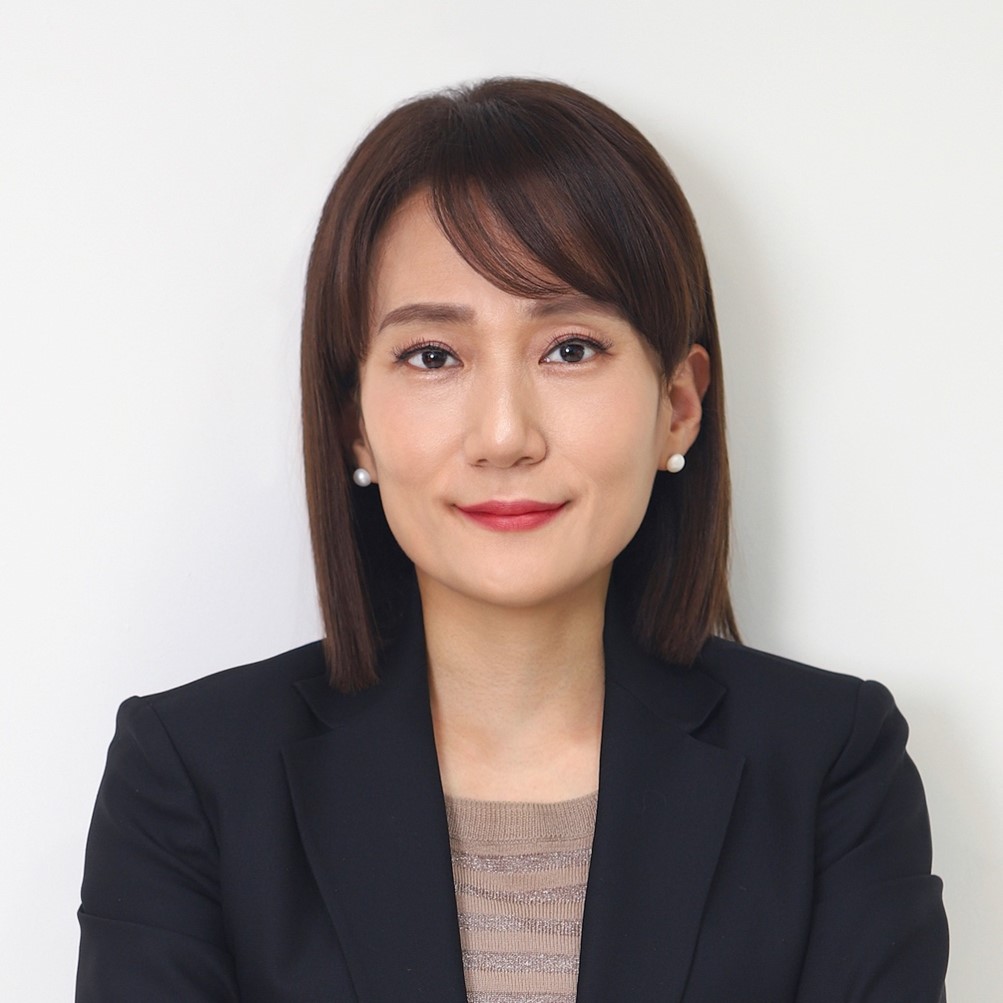
Soohyung Lee, Professor of Economics and Data Analytics at Seoul National University, is a member of the Monetary Policy Board of the Bank of Korea.
Previously published on Project Syndicate on December 12, 2024.
Copyright: Project Syndicate, 2024.
www.project-syndicate.org
Photo by Elina Volkova: https://www.pexels.com/photo/view-of-the-street-in-front-of-the-bank-of-korea-money-museum-in-seoul-22682005/
0 Comments